
Description
Solar Power Plant Structure
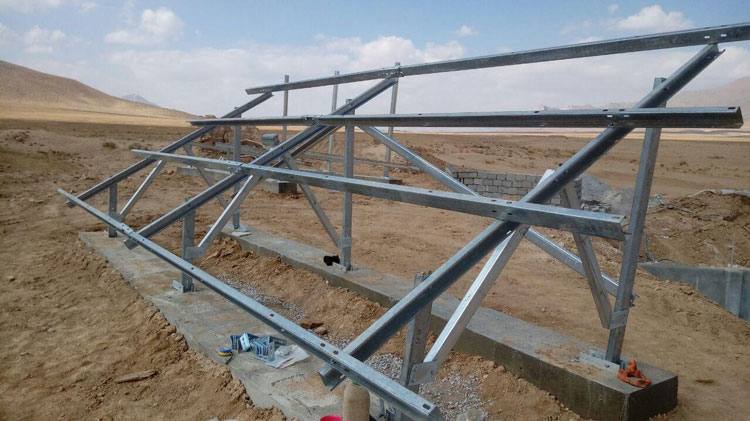
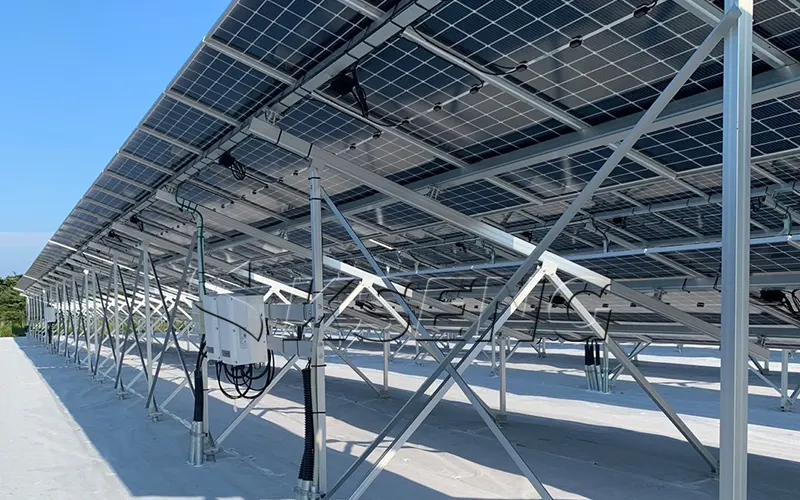
A solar power plant structure is one of the most important components of solar energy generation systems. Its main function is to support, stabilize, and position solar panels at the optimal angle relative to sunlight. This metal structure, with its engineered design and high strength, plays an important role in improving solar panel efficiency and ensuring the durability of the power plant under various weather conditions. Using a standard mounting structure in solar projects helps extend equipment lifespan, reduce maintenance costs, and improve the overall performance of the power generation system.
What Is a Solar Power Plant Structure?
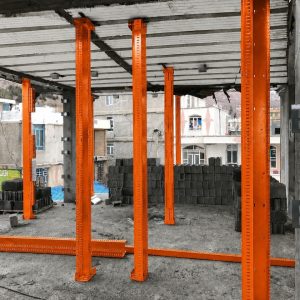
A solar power plant structure (Solar Mounting Structure) is an engineered metal framework used to install and support solar panels on the ground, rooftops, or various other structures. By positioning the panels at the appropriate angle, the system maximizes solar energy absorption while protecting the panels against wind, rain, snow, and other environmental factors.
Importance of Using a Standard Solar Mounting Structure
In solar power plants, the quality of the panel support structure directly affects the performance and lifespan of the entire system. A suitable structure must not only support the weight of the panels but also withstand wind pressure, snow loads, temperature fluctuations, and various environmental conditions. Proper engineering design helps reduce damage to solar panels and increases the overall efficiency of the solar power plant.
Features of Solar Power Plant Structures
High Resistance to Environmental Conditions
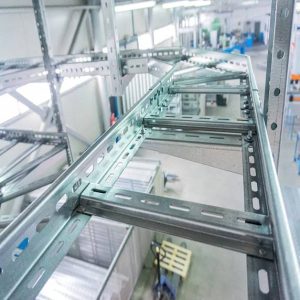
Solar structures are manufactured from galvanized steel or durable aluminum to provide high resistance against moisture, corrosion, direct sunlight, and temperature variations.
Precise Engineering Design
A properly designed structure ensures that solar panels are installed at the correct angle, helping increase energy production.
Fast and Easy Installation
Standardized structural components enable quick installation of solar panels and help reduce project execution time.
Long Service Life
The use of anti-corrosion coatings increases the service life of the structure and reduces repair and maintenance costs.
Types of Solar Power Plant Structures
Ground-Mounted Solar Structure
Used for installing solar panels in large-scale solar power plants and open land areas.
Rooftop Solar Structure
Suitable for installing solar panels on the roofs of residential, commercial, and industrial buildings.
Fixed Solar Structure
Keeps solar panels at a fixed angle relative to the sun and provides an economical solution for many solar projects.
Adjustable Solar Structure
Allows the angle of the panels to be changed, helping improve solar energy absorption.
Applications of Solar Power Plant Structures
Large-Scale Solar Power Plants
Used in industrial- and commercial-scale electricity generation projects.
Buildings Equipped with Solar Energy Systems
Used for installing solar panels on rooftops.
Industries and Factories
Used to reduce electricity consumption from the grid and generate clean energy.
Agricultural Projects and Remote Areas
Used to provide independent electricity supply through solar energy.
Advantages of Solar Power Plant Structures
Increased Lifespan of Solar Panels
Maintaining the Optimal Solar Irradiation Angle
Resistance to Wind and Weather Conditions
Reduced Maintenance Costs
Fast and Proper Panel Installation
Increased Solar Power Plant Efficiency
Suitable for Various Types of Projects
Technical Specifications of Solar Power Plant Structures
Material:
Hot-dip galvanized steel, stainless steel, or durable aluminum
Coating:
Hot-dip galvanizing to prevent rust and improve corrosion resistance
Installation Type:
Ground-mounted, rooftop-mounted, and structural installation
Design:
Designed according to panel weight, climatic conditions, and environmental loads of the project
Compatibility:
Suitable for various monocrystalline and polycrystalline solar panels
Why Choose Our Solar Power Plant Structures?
- Designed and manufactured in accordance with engineering standards
- Manufactured using strong and durable materials
- High resistance to corrosion and environmental conditions
- Fast installation and reduced execution costs
- Suitable for both small- and large-scale solar power plants
- Customizable design based on project conditions
- High quality and long service life
Important Factors When Purchasing a Solar Power Plant Structure
When selecting a solar power plant structure, factors such as land type, regional weather conditions, wind speed, snow load, panel weight, type of anti-corrosion coating, and applicable design standards should be considered. Choosing the right structure not only improves the safety of the solar power plant but also reduces repair costs and increases the efficiency of the solar energy system.
Frequently Asked Questions
What Materials Are Solar Power Plant Structures Made Of?
They are typically manufactured from hot-dip galvanized steel, aluminum, or other corrosion-resistant metals to ensure high durability in outdoor environments.
Are Solar Structures Resistant to Wind and Rain?
Yes. Standard solar mounting structures are designed according to regional climatic conditions and are capable of withstanding wind pressure and environmental loads.
Can Solar Structures Be Designed for Custom Projects?
Yes. Solar mounting structures can be designed and manufactured based on the power plant capacity, number of panels, land type, and installation conditions.
Conclusion
A solar power plant structure is one of the main components of any solar energy generation system. By securely supporting the panels and maintaining the proper installation angle, it plays an important role in improving the efficiency and lifespan of the solar power plant. Selecting a standard and durable structure not only protects solar panels against environmental conditions but also reduces maintenance costs and improves the return on investment in clean energy.
Reviews
There are no reviews yet.