
Description
Introduction to Cable Trays
A cable tray is one of the most important components used in electrical wiring and cable management systems in construction, industrial, and commercial projects. By providing a safe and organized pathway, it allows electrical, telecommunication, and network cables to be routed, supported, and protected. In addition to improving safety, the use of cable trays also makes maintenance, repairs, and future expansion of electrical networks easier.
What Is a Cable Tray?
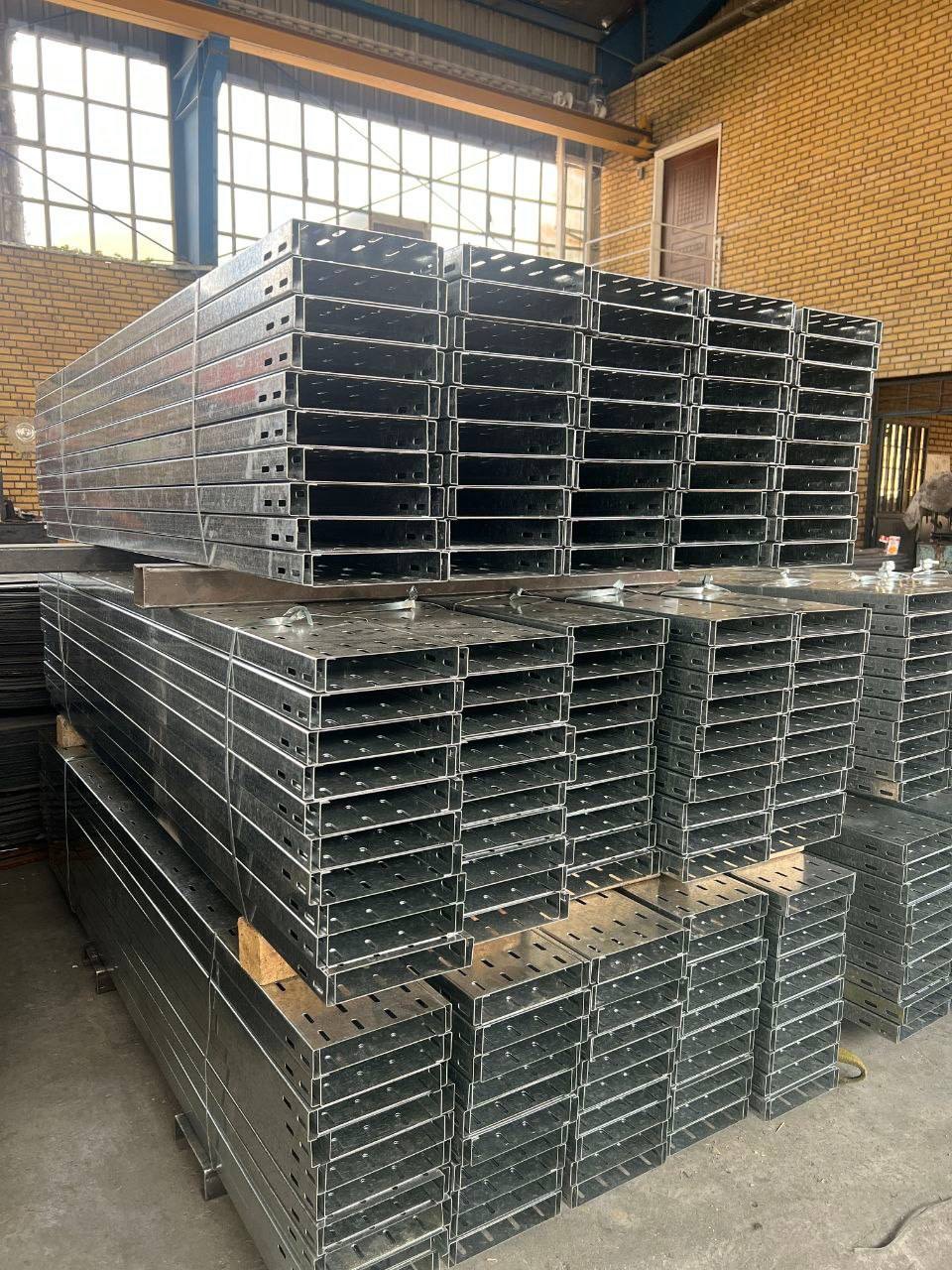
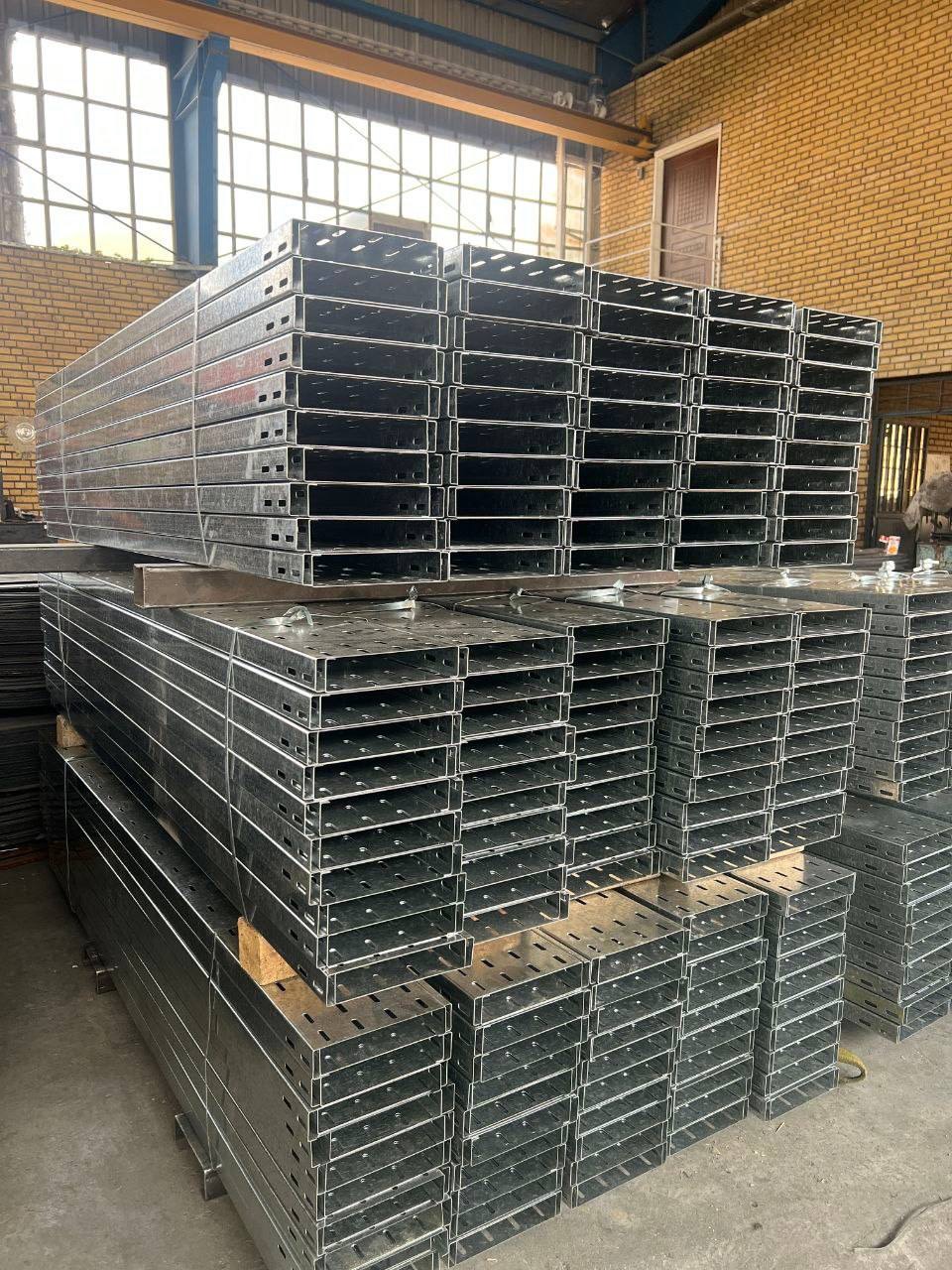
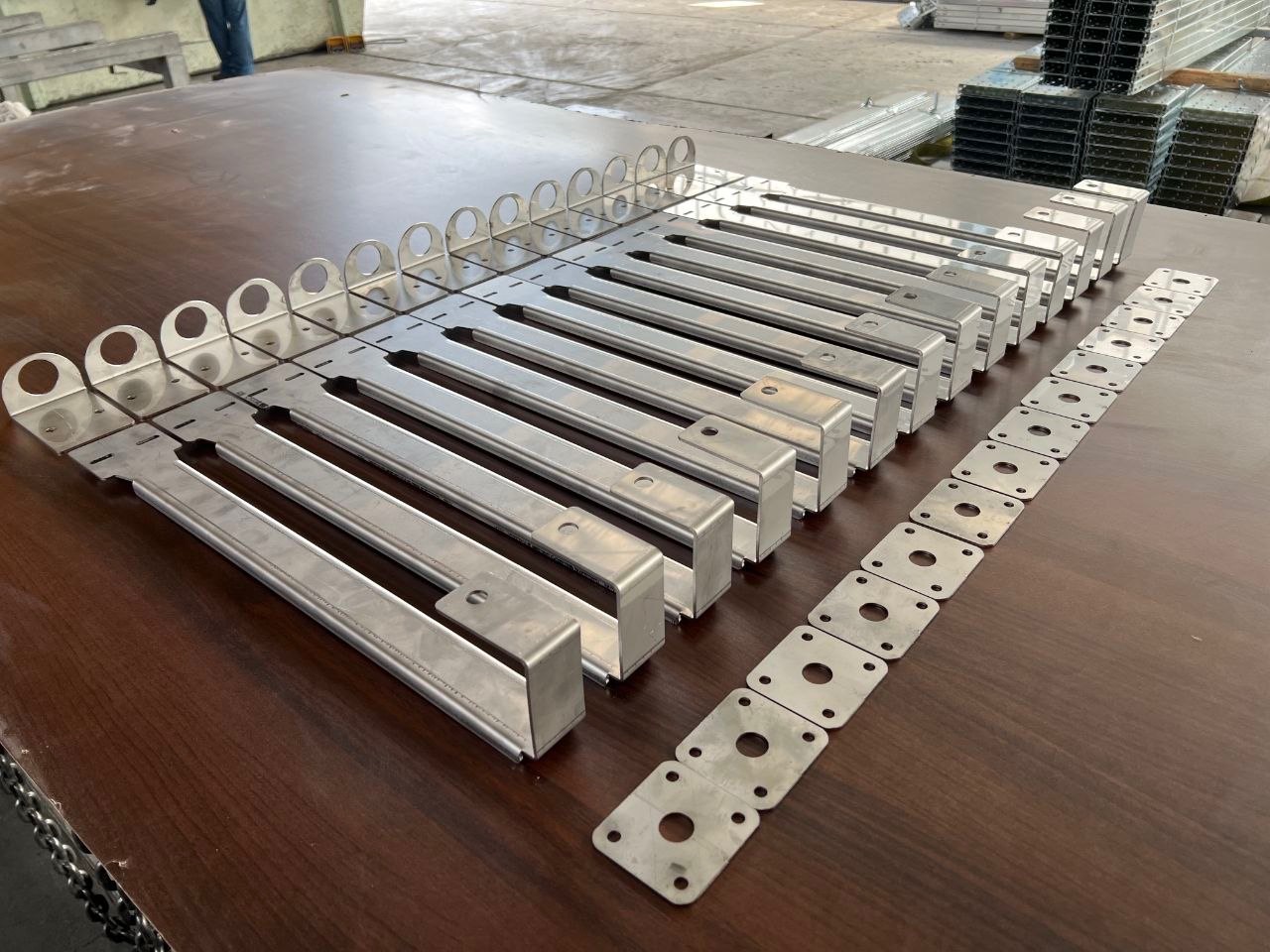
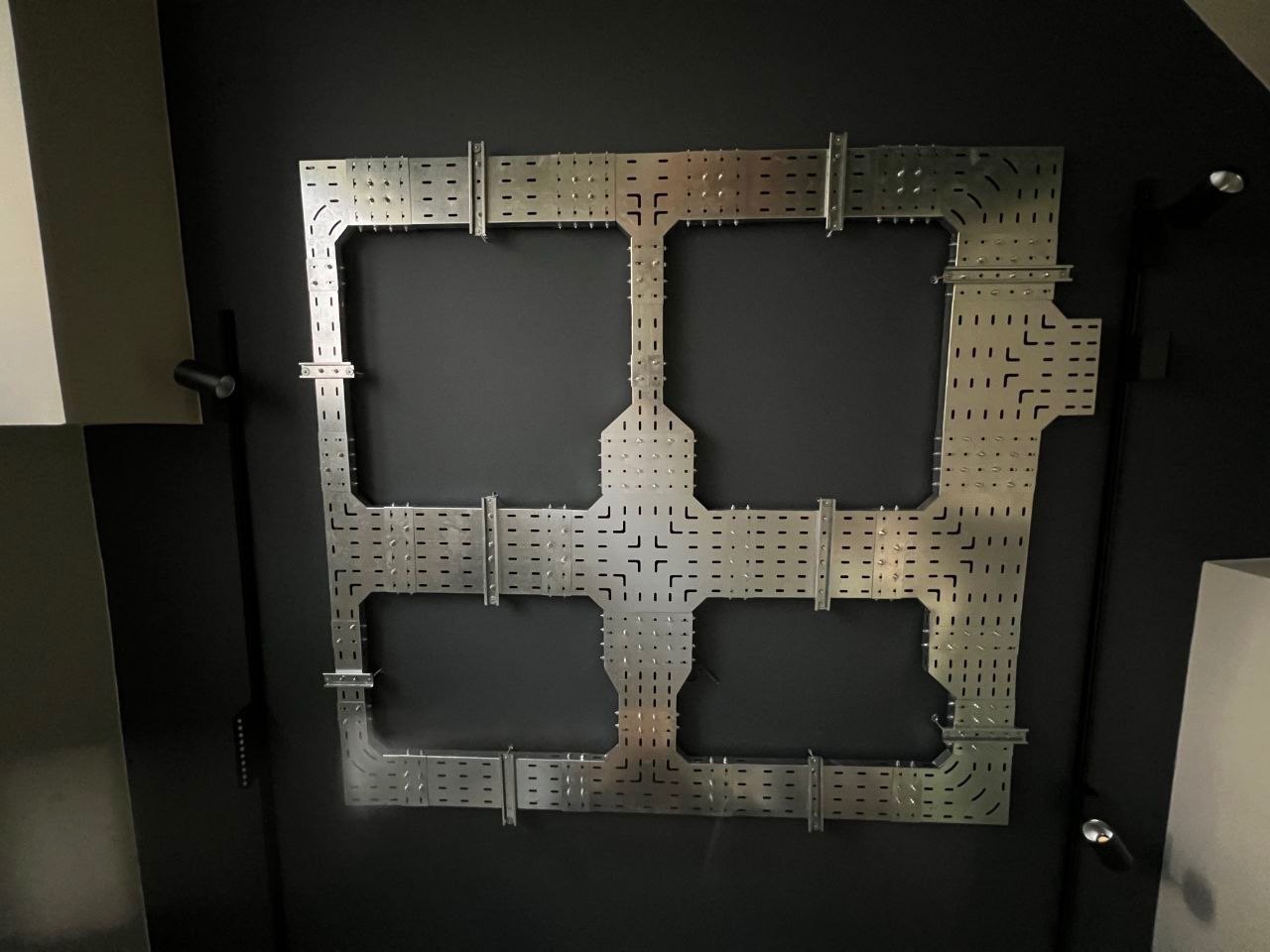
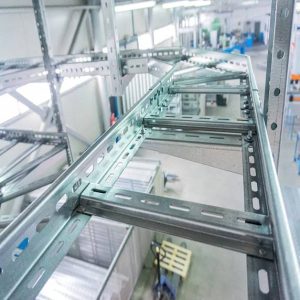
A cable tray is a metal or galvanized structure designed to route and protect various types of cables throughout different areas of a building. It is a suitable alternative to traditional conduit systems and is widely used in large construction projects, factories, commercial centers, hospitals, and data centers.
Features of Cable Trays
High Corrosion Resistance
Cable trays are manufactured from hot-dip galvanized steel, cold galvanized steel, stainless steel, or aluminum, providing high resistance to moisture, rust, and environmental conditions.
Strength and Load-Bearing Capacity
The engineered design of this product allows it to support the weight of a large number of cables without deformation.
Fast and Easy Installation
The standardized structure of cable trays reduces installation time and simplifies project execution.
Easy Access to Cables
If cables need to be repaired, replaced, or added, they can be accessed easily without requiring destructive work.
Applications of Cable Trays
Residential and Office Buildings
Used for managing electrical wiring, lighting systems, and network cables.
Industrial Projects
Suitable for factories, refineries, power plants, and production lines.
Commercial Centers
Used for routing electrical cables, CCTV systems, internet cables, and fire alarm systems.
Medical Centers and Hospitals
Used for safe management of medical equipment cables and emergency power systems.
Advantages of Using Cable Trays
Improved Electrical System Safety
Reduced Maintenance Costs
Organized Cable Routing
Increased Cable Service Life
Easy Expansion of Electrical Systems
Reduced Project Execution Time
Technical Specifications of Cable Trays
Material:
Galvanized steel sheet, stainless steel, or aluminum
Width:
From 50 to 1000 mm
Side Height:
Typically 30, 50, 60, and 100 mm
Thickness:
Between 0.8 and 2 mm
Coating Type:
Hot-dip galvanized, cold galvanized, or electrostatic powder coating
Why Choose Our Cable Trays?
- Manufactured in accordance with current standards
- Made from high-quality materials
- High resistance under various environmental conditions
- Fast and easy installation
- Competitive and cost-effective pricing
- Customizable in different dimensions
- Suitable for construction and industrial projects
Important Factors When Purchasing Cable Trays
Before purchasing a cable tray, factors such as project type, cable volume, environmental conditions, sheet thickness, coating type, and load-bearing capacity should be considered. Choosing the right product improves safety, reduces repair costs, and increases the service life of the electrical system.
Frequently Asked Questions
Are Cable Trays Suitable for Outdoor Use?
Yes. When hot-dip galvanized or stainless-steel models are used, they provide high resistance to weather conditions.
What Is the Difference Between a Cable Tray and a Cable Ladder?
Cable trays are suitable for general cable routing and light- to medium-duty cables, while cable ladders are typically used for heavier cables and longer cable runs.
Can Cable Trays Be Manufactured in Custom Sizes?
Yes. Cable trays can be manufactured in different dimensions, thicknesses, and coatings according to project requirements.
Conclusion
A cable tray is an essential component in electrical and building installation systems. By organizing cable routes, improving safety, and simplifying cable maintenance, it plays an important role in the success of construction and industrial projects. Using a high-quality, standard cable tray not only increases cable service life but also helps reduce long-term installation and maintenance costs.
Reviews
There are no reviews yet.