
Description
Introduction to Cable Ladders
A cable ladder is one of the most important components used in electrical cable routing and industrial installation systems. It is designed to guide, protect, and organize cables over long distances. With its ladder-type structure, this product not only supports the weight of heavy cables but also provides proper ventilation and helps prevent heat buildup. The use of cable ladders in construction, industrial, power plant, and refinery projects improves safety, reduces maintenance costs, and makes future electrical system expansion easier.
What Is a Cable Ladder?
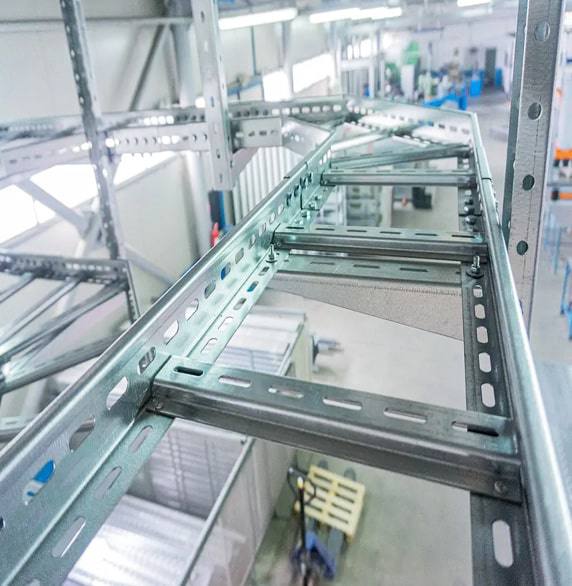
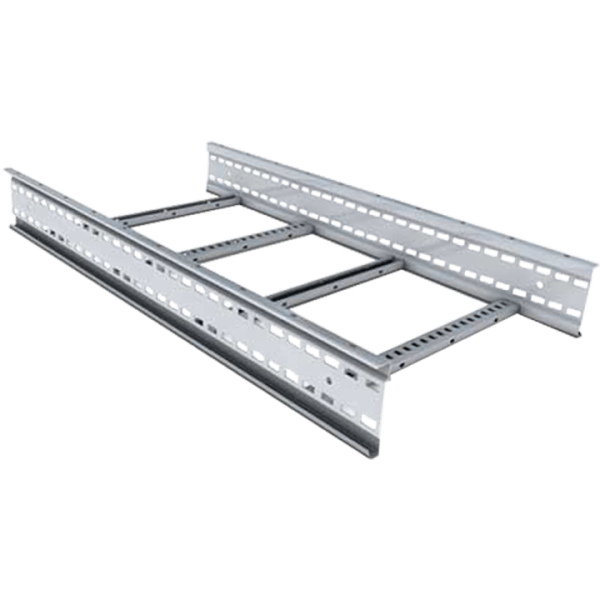
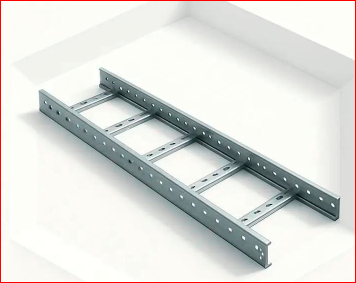
A cable ladder is a metal structure consisting of two side rails and a series of horizontal rungs, designed to support and route power, control, telecommunication, and network cables. Due to its high strength, it is an ideal choice for projects involving large quantities of cables or heavy-duty cables.
Features of Cable Ladders
High Strength and Load-Bearing Capacity
Cable ladders are manufactured from galvanized steel sheets or stainless steel and are capable of supporting the weight of heavy power and industrial cables.
Proper Cable Ventilation
The ladder-type structure allows air to circulate around the cables, helping prevent overheating and reducing the risk of premature cable deterioration.
Corrosion Resistance
Hot-dip galvanized, cold galvanized, or stainless-steel finishes provide high resistance to moisture, chemicals, and harsh environmental conditions.
Easy Installation and Expandability
The standard design of cable ladders enables quick installation and makes it easy to add or relocate cables in the future.
Applications of Cable Ladders
Construction Projects
Used for routing main power cables, lighting systems, and mechanical installations.
Factories and Industrial Facilities
Suitable for production lines, manufacturing plants, petrochemical facilities, steel industries, and mining projects.
Power Plants and Refineries
Used for the safe routing of low-voltage, medium-voltage, and control cables.
Data Centers and Smart Buildings
Used for managing power, network, fiber-optic, and telecommunication cables.
Advantages of Using Cable Ladders
Improved Electrical System Safety
High Cable Load-Bearing Capacity
Better Ventilation and Reduced Cable Heat
Easy Access for Maintenance and Repairs
Increased Cable Service Life
Reduced Project Installation Costs
Easy Expansion of Cable Routing Systems in the Future
Technical Specifications of Cable Ladders
Material:
Hot-dip galvanized steel, cold galvanized steel, stainless steel, or aluminum
Width:
From 100 to 1000 mm
Side Rail Height:
50, 75, 100, and 150 mm
Sheet Thickness:
1 to 2.5 mm
Standard Length:
Typically 2 or 3 meters
Coating Type:
Hot-dip galvanized, cold galvanized, or electrostatic powder coating
Why Choose Our Cable Ladders?
- Manufactured in accordance with international standards
- Made from high-quality raw materials
- High resistance to corrosion and rust
- Suitable for heavy loads in industrial projects
- Fast and easy installation
- Available in custom dimensions
- Competitive pricing with guaranteed quality
Important Factors When Purchasing Cable Ladders
When selecting a cable ladder, factors such as project type, cable quantity and weight, route width, sheet thickness, coating type, environmental conditions, and installation standards should be considered. Choosing the right product not only improves safety but also reduces maintenance costs and increases the service life of the electrical system.
Frequently Asked Questions
What Is the Difference Between a Cable Ladder and a Cable Tray?
Cable ladders are more suitable for heavy cables and long-distance cable routes. Due to their open ladder-type design, they also provide better ventilation than cable trays.
Are Cable Ladders Suitable for Humid Environments?
Yes. Hot-dip galvanized and stainless-steel models provide high resistance to moisture, corrosion, and harsh environmental conditions.
Can Cable Ladders Be Manufactured in Custom Sizes?
Yes. Cable ladders can be manufactured in different widths, heights, thicknesses, and lengths according to project requirements.
Conclusion
A cable ladder is a key component in electrical and industrial installation systems. By providing a safe, organized, and durable route for cables, it plays an important role in improving the safety and efficiency of construction and industrial projects. Choosing a standard, high-quality cable ladder not only protects cables but also reduces repair costs, simplifies future system expansion, and increases the service life of electrical equipment.
Reviews
There are no reviews yet.